
"civet coffee brewing"
600 article(s) found

Shell fermentation mellow thick civet coffee flavor, characteristics, taste and manor
Civet Coffee (Kopi Luwak), native to Indonesia. It is one of the most expensive coffee in the world, with a price of several hundred dollars per pound. It is extracted from the feces of the civet and processed. The civet eats the ripe coffee fruit and is excreted through the digestive system. After it is fermented through the stomach, the coffee produced has a special taste and has become a grab in the international market.
The characteristics of cat shit coffee beans the origin of cat shit coffee beans boutique coffee
According to the boss of the coffee company, the Kafe brand guarantees 100% of the pure wild kopi luwak. Sumatra beans, a musk cat, must be produced in the Sumatra plateau more than 1000 meters above sea level, rather than that many outside are produced in Vietnam or other plains in Indonesia. Many Indonesian farmers are coffee beans produced by captive muskcats. On the market today

Introduction to the flavor and taste characteristics of Indonesian civet coffee the price of Indonesian boutique coffee bean civet coffee
Muscat coffee (Kopi Luwak), Kopi (Indonesian, coffee), Luwak refers to a kind of arboreal wild animal commonly known as civet in Indonesia. Kopi Luwak, produced in Indonesia, is one of the most expensive coffee in the world. Indonesia grows a lot of coffee crops, including wild animals called civets, omnivores, pointed mouths and dark gray fur. My favorite food is

Very thick and mellow civet coffee flavor, characteristics, taste and manor introduction
Civet Coffee (Kopi Luwak), native to Indonesia. It is one of the most expensive coffee in the world, with a price of several hundred dollars per pound. It is extracted from the feces of the civet and processed. The civet eats the ripe coffee fruit and is excreted through the digestive system. After it is fermented through the stomach, the coffee produced has a special taste and has become a grab in the international market.

Civet Coffee Flavor Civet Coffee Features Civet Coffee Taste
Cow coffee is produced from the feces of Indonesian coconut cats (a civet cat), so it is called cat poop coffee. This kind of animal mainly feeds on coffee beans. After fermentation in the coconut cat stomach, protein is destroyed, short peptides and more free amino acids are produced, the bitter taste of coffee will be reduced, and the feces discharged will be the main raw material. Since coffee beans cannot be digested, they will be discharged.

The world's most expensive coffee Indonesia Kopi Luwak civet coffee beans
A 20-gram Kopi Luwak costs 380 yuan, making it the world's most expensive coffee, a civet living on some islands of Indonesia, and a major supplier of Kopi Luwak (file photo) do you know where the world's most expensive coffee comes from? The answer is Indonesia. What is even more peculiar is that the raw material of this kind of coffee comes from cat droppings! In Indonesia at the World Expo

Flavor and taste of Indonesian civet coffee introduction to Indonesian civet coffee in manor area
The coffee comes from the excrement of an animal called the civet (commonly known as the civet in Indonesia). Although it comes from smelly poop, it is full of sweetness and a burst of indescribable sweetness. This wild musk cat likes to eat fat, pulpy coffee fruit, but the hard hard nut (raw bean) cannot be digested. It is excreted with feces and becomes Kop after cleaning.
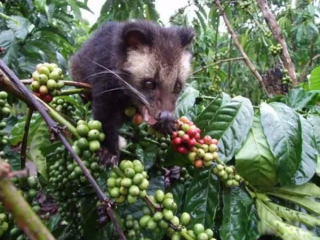
Kopi Luwak | where does the fragrance of Vietnamese Kopi Luwak come from? introduction to the flavor and taste of Kopi Luwak
When many people travel to Southeast Asia, most of them will buy Kopi Luwak as a companion gift. It is praised as a treasure because of its unique flavor and rarity. But do you know its production process? Kopi Luwak, which actually comes from the excrement of civets, is digested in the body by wild civets after eating coffee fruit.
The origin of Kopi Luwak the flavor of Kopi Luwak the characteristics of Kopi Luwak the price of Kopi Luwak
Civet Coffee (Kopi Luwak), native to Indonesia. It is one of the most expensive coffee in the world, with a price of several hundred dollars per pound. It is extracted from the feces of the civet and processed. The civet eats the ripe coffee fruit and is excreted through the digestive system. After it is fermented through the stomach, the coffee produced has a special taste and has become a grab in the international market.
Fine Coffee Science interpretation of Coffee Coffee
A cup of civet coffee costs 300 yuan, but there is no guarantee that what you drink is a natural product, because this caffeine is insufficient and begins to be adulterated. According to foreign media reports a few days ago, civet coffee is derived from the droppings of wild musk cats in Indonesia. Due to the global hot sales, there is a serious shortage of wild civet coffee beans in Indonesia, so the locals began to raise civets in hand.

Very thick mellow shell fermentation mellow thick civet coffee flavor, characteristics, taste and manor
Civet Coffee (Kopi Luwak), native to Indonesia. It is one of the most expensive coffee in the world, with a price of several hundred dollars per pound. It is extracted from the feces of the civet and processed. The civet eats the ripe coffee fruit and is excreted through the digestive system. After it is fermented through the stomach, the coffee produced has a special taste and has become a grab in the international market.

Breed characteristics of fermented thick civets Coffee introduction to Fine Coffee beans in Manor
Civet Coffee (Kopi Luwak), native to Indonesia. It is one of the most expensive coffee in the world, with a price of several hundred dollars per pound. It is extracted from the feces of the civet and processed. The civet eats the ripe coffee fruit and is excreted through the digestive system. After it is fermented through the stomach, the coffee produced has a special taste and has become a grab in the international market.
Introduction of Cat poop Coffee beans the origin of Kopi Luwak coffee beans boutique coffee
Civet Coffee (Kopi Luwak), native to Indonesia. It is one of the most expensive coffee in the world, with a price of several hundred dollars per pound. It is extracted from the feces of the civet and processed. The civet eats the ripe coffee fruit and is excreted through the digestive system. After it is fermented through the stomach, the coffee produced has a special taste and has become a grab in the international market.

Thick fermented alcohol civet coffee variety characteristics taste Manor boutique coffee beans flavor introduction
Civet coffee (cat poop coffee), produced in Indonesia. It is one of the most expensive coffees in the world, with a price of several hundred dollars per pound. It is extracted from the feces of the civet cat and processed. The civet eats the ripe coffee fruit and passes it out of the digestive system. Due to the fermentation of the stomach, the coffee produced has a special taste and has become a competitor in the international market.

Is the civet coffee Kopi Luwak really cat shit? the origin and flavor of Kopi Luwak
Civet Coffee is called Luwak in Indonesia and Musang in Malaysia. It can be called the Rolls-Royce of coffee. The civet uses a keen sense of smell at night to choose the sweetest and juicy coffee fruit to eat, and the hard coffee core is discharged intact without being digested. During digestion, it is fermented in the civets' gastric juice, resulting in unparalleled changes; discharged coffee beans.

Breed characteristics of fermented thick civets Coffee introduction to Fine Taste Coffee Bean in Manor
Civet Coffee (Kopi Luwak), native to Indonesia. It is one of the most expensive coffee in the world, with a price of several hundred dollars per pound. It is extracted from the feces of the civet and processed. The civet eats the ripe coffee fruit and is excreted through the digestive system. After it is fermented through the stomach, the coffee produced has a special taste and has become a grab in the international market.

Introduction of varieties and brands in Bali coffee producing area Kopi Luwak introduction to Bali Kopi Luwak
The coffee comes from the excrement of an animal called the civet (commonly known as the civet in Indonesia). Although it comes from smelly poop, it is full of sweetness and a burst of indescribable sweetness. This wild musk cat likes to eat fat, pulpy coffee fruit, but the hard hard nut (raw bean) cannot be digested. It is excreted with feces and becomes Kop after cleaning.

Flavor and taste of Indonesian Kopi Luwak civet coffee characteristics of manor production area introduction of civet boutique coffee
Civet Coffee (Kopi Luwak), native to Indonesia. It is one of the most expensive coffee in the world, with a price of several hundred dollars per pound. It is extracted from the feces of the civet and processed. The civet eats the ripe coffee fruit and is excreted through the digestive system. After it is fermented through the stomach, the coffee produced has a special taste and has become a grab in the international market.

Taste characteristics of thick fermented alcohol civet coffee varieties introduction to the flavor of fine coffee beans in the manor
Civet Coffee (Kopi Luwak), native to Indonesia. It is one of the most expensive coffee in the world, with a price of several hundred dollars per pound. It is extracted from the feces of the civet and processed. The civet eats the ripe coffee fruit and is excreted through the digestive system. After it is fermented through the stomach, the coffee produced has a special taste and has become a grab in the international market.
There are several methods of Indonesian coffee source coffee.
Indonesian coffee has the taste of earth and traditional Chinese medicine, and its consistency is among the highest in all continents. But Kopi Luwak has a heavier earthy smell and a consistency similar to that of syrup, which has a very special flavor. After drinking, there will still be a touch of mint cool feeling in the mouth, which is the exclusive taste of ordinary coffee. After drinking a cup, take a deep breath or take a sip of cold water.